Mold is a common and serious issue in North Central Florida, where high humidity and frequent storms create the perfect environment for mold growth. For homeowners, business owners, and property managers in Brevard, Flagler, and Volusia Counties, acting quickly when mold is discovered is essential to prevent further damage and ensure a safe living or working environment. Once you’ve started to work with a professional mold remediation company, you might find yourself ask, “how long does mold remediation take?” and “when can I take back control of my home or business?” At Rytech Restoration of North Central FL, we’ve helped thousands of property owners remove mold issues, and are here to guide you through the mold remediation process and unique elements of your mold problem that can affect your projects timeline.
What is Mold Remediation?
Mold Remediation Defined:
Mold remediation is the comprehensive process of identifying, containing, removing, and preventing mold growth within a building. This process goes beyond simple cleaning—it involves detailed inspections, the use of specialized equipment, and addressing the root causes of moisture to ensure harmful mold does not return after remediation.
Importance of Professional Remediation:
Given North Central Florida's humid climate, professional mold remediation is crucial. Mold can quickly spread and cause significant damage to property and health if not properly handled. Professionals like Rytech’s certified mold specialists follow strict IICRC standards to thoroughly eradicate mold and restore a safe environment.
Everyday Mold vs. Harmful Mold: Understanding the Difference
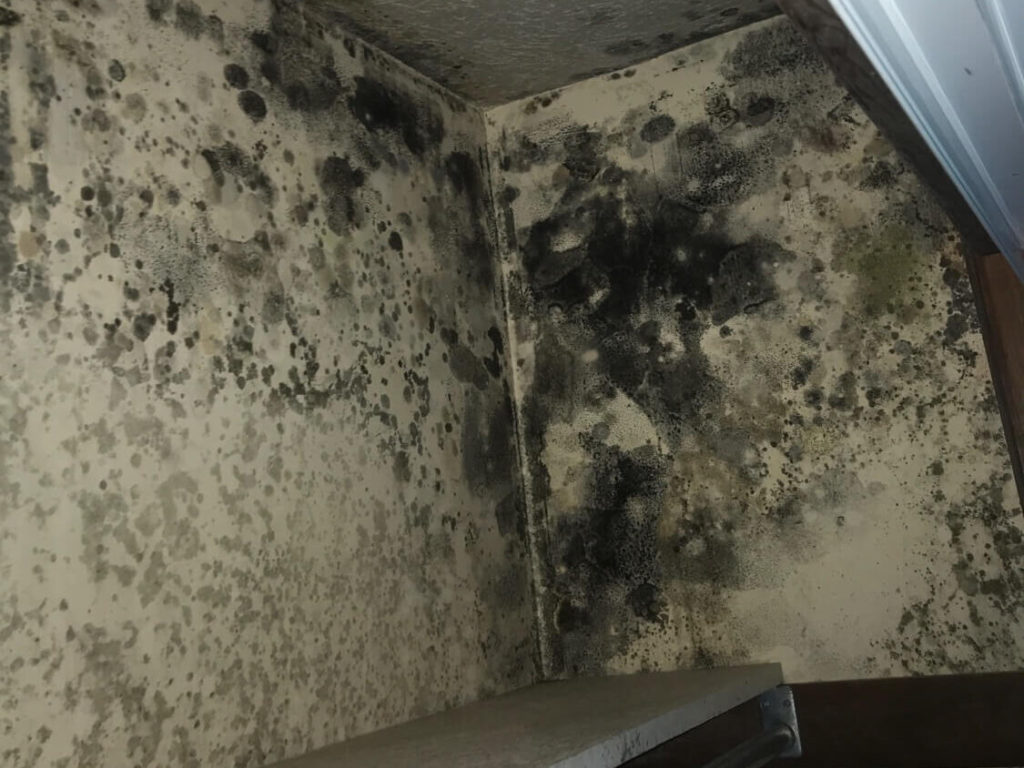
Mold is a natural part of our environment, and most people encounter it regularly without even realizing it. Everyday mold, such as the kind you might find on food that's been left out too long or in a damp bathroom, is usually harmless in small amounts and can be easily cleaned up with common household products. This type of mold, while unsightly, generally doesn't pose a significant risk to health or property when dealt with promptly.
Everyday Mold:
Common Locations: Everyday mold often appears in areas with high humidity, such as bathrooms, kitchens, or basements. It can also grow on food, especially when it's stored improperly or left out for too long.
Typical Characteristics: This mold is usually surface-level and can be identified by its appearance, which might be green, white, or black, and often has a fuzzy texture.
Health Impacts: For most people, everyday mold does not cause serious health issues. However, it can trigger mild allergic reactions in some individuals, such as sneezing or skin irritation.
Harmful Mold:
Types of Harmful Mold: Certain types of mold, such as Stachybotrys chartarum (often referred to as "black mold"), can pose significant health risks and cause structural damage to buildings. Harmful molds thrive in conditions where there is ongoing moisture, such as from leaks or flooding.
Structural Damage: Harmful mold can penetrate deeply into porous materials like drywall, wood, and insulation. Over time, it can compromise the structural integrity of a building, leading to costly repairs.
Health Risks: Prolonged exposure to harmful mold can lead to more severe health problems, particularly for those with respiratory conditions, compromised immune systems, or mold allergies. Symptoms may include chronic coughing, wheezing, headaches, and in extreme cases, more serious respiratory illnesses.
Factors That Affect the Duration of Mold Remediation
Severity and Extent of Mold Infestation:
The time required for mold remediation depends largely on how extensive the infestation is. Small, isolated spots might take a day or two to remediate, while widespread contamination can require a week or more, particularly if structural elements are affected.
Size of the Affected Area: Larger areas, such as entire rooms or floors, naturally take longer to remediate. Commercial properties or multi-family residences often involve more extensive remediation efforts due to their size and complexity.
Material Types Involved: Different materials in a building, such as drywall, wood, and carpet, respond differently to mold. Some porous materials like ceiling tiles and drywall may need to be removed and replaced, which can extend the duration of the remediation process.
Environmental Conditions: North Central Florida’s high humidity and warm temperatures can accelerate mold growth, making it more challenging to control. These environmental factors also mean that the drying phase of remediation is particularly critical and may take longer to ensure complete moisture removal.
Remediation Equipment: Using advanced equipment like HEPA air filters and dehumidifiers along with setting up containment helps speed up the remediation process while ensuring thorough mold removal. These tools are essential for safely cleaning and restoring areas affected by harmful types of mold.
Typical Timeline for Mold Remediation
Assessment and Planning (1-2 Days):
The process begins with a thorough mold inspection to determine the extent of mold damage. This phase includes inspections, moisture readings, and the development of a detailed remediation plan. If an insurance claim is involved, this is also when approvals and communications with your adjusters occur.
Containment and Removal (1-7 Days):
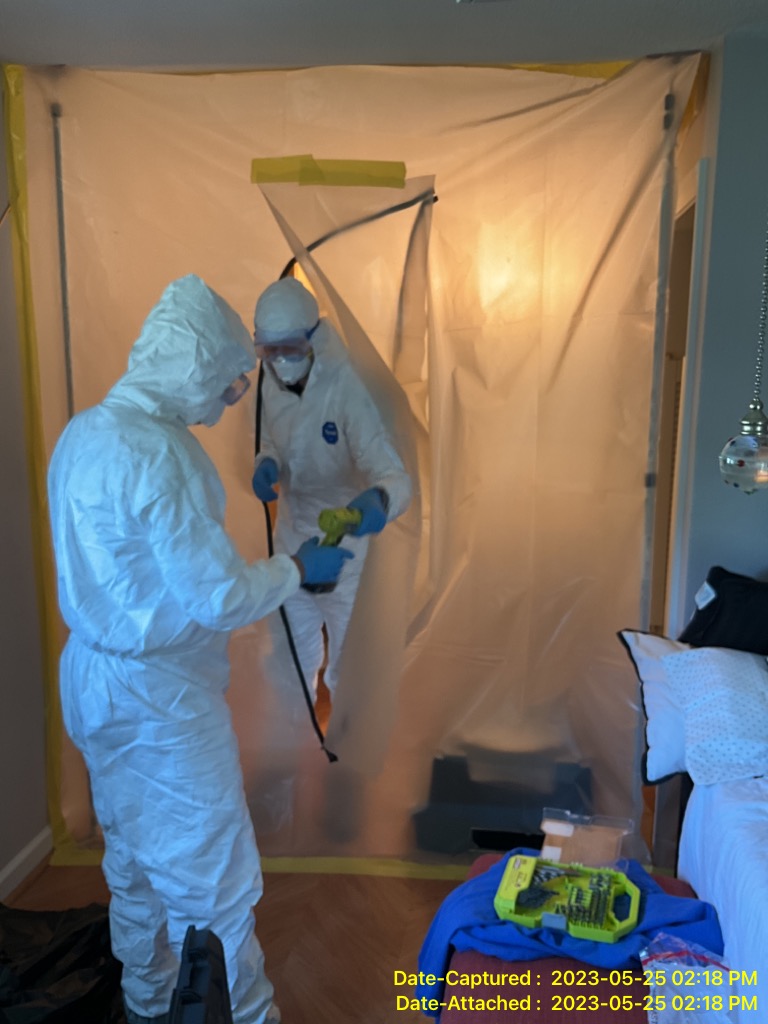
Once the plan is in place, containment measures are implemented to prevent mold spores from spreading to unaffected areas. The mold is then carefully removed using industry-approved cleaning and removal methods. The time required for this step varies depending on the severity and spread of the mold. Pro Tip: As new areas of the structure are accessible, additional mold spread can be found, which requires additional time for safe and efficient removal.
Cleaning and Sanitizing (1-3 Days):
After mold removal, the affected areas and materials are thoroughly cleaned and sanitized. HEPA vacuums, antimicrobial treatments, and specialized cleaning techniques are used to ensure harmful mold residues are eliminated from surfaces. This step can also include addressing hidden mold in places like HVAC systems if mold spread in ducts and vents is found.
Drying and Dehumidification (3-7 Days):
Proper drying is crucial to prevent mold from returning. Dehumidifiers and air movers are used to move air and remove moisture from the air and building materials. This process is closely monitored until the area reaches optimal dryness. Rytech provides daily job monitoring and checks all equipment to ensure materials dry out in the shortest time possible.
Restoration (Variable):
If mold damage is beyond remediation, the damage will need to be repaired or replaced. The final step involves restoring the property to its pre-loss condition. The time needed for restoration depends on the extent of damage—minor repairs like repainting may take a day, while more significant water damage could take several weeks to months.
Is it Safe to Be in the House During Mold Remediation?
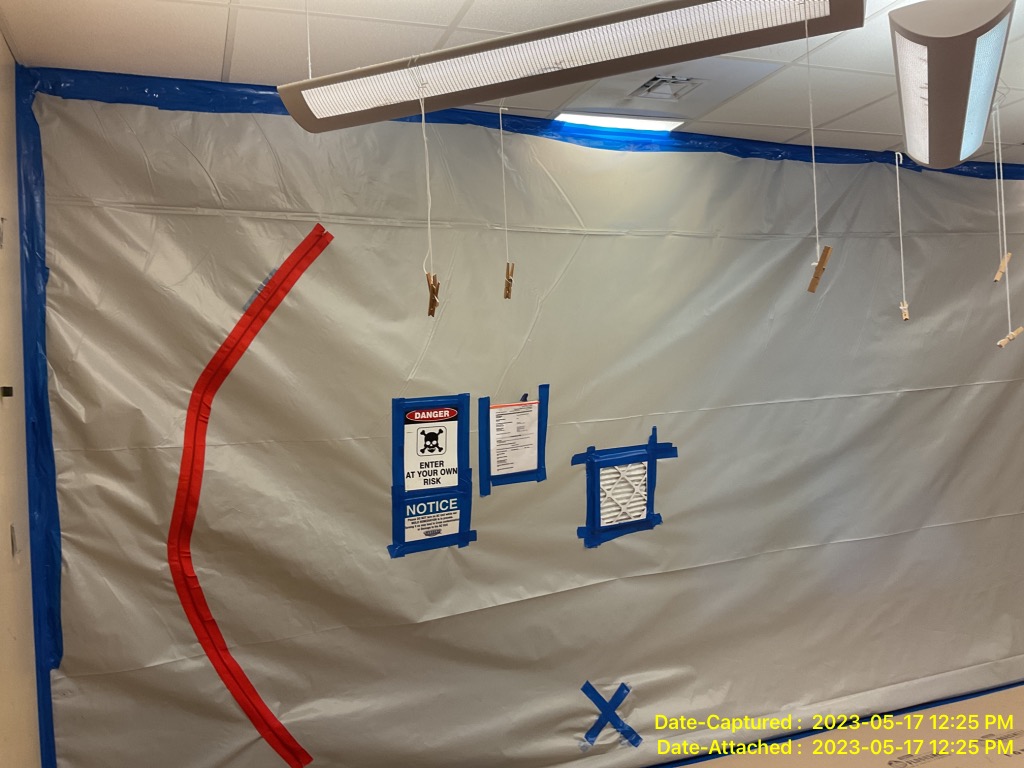
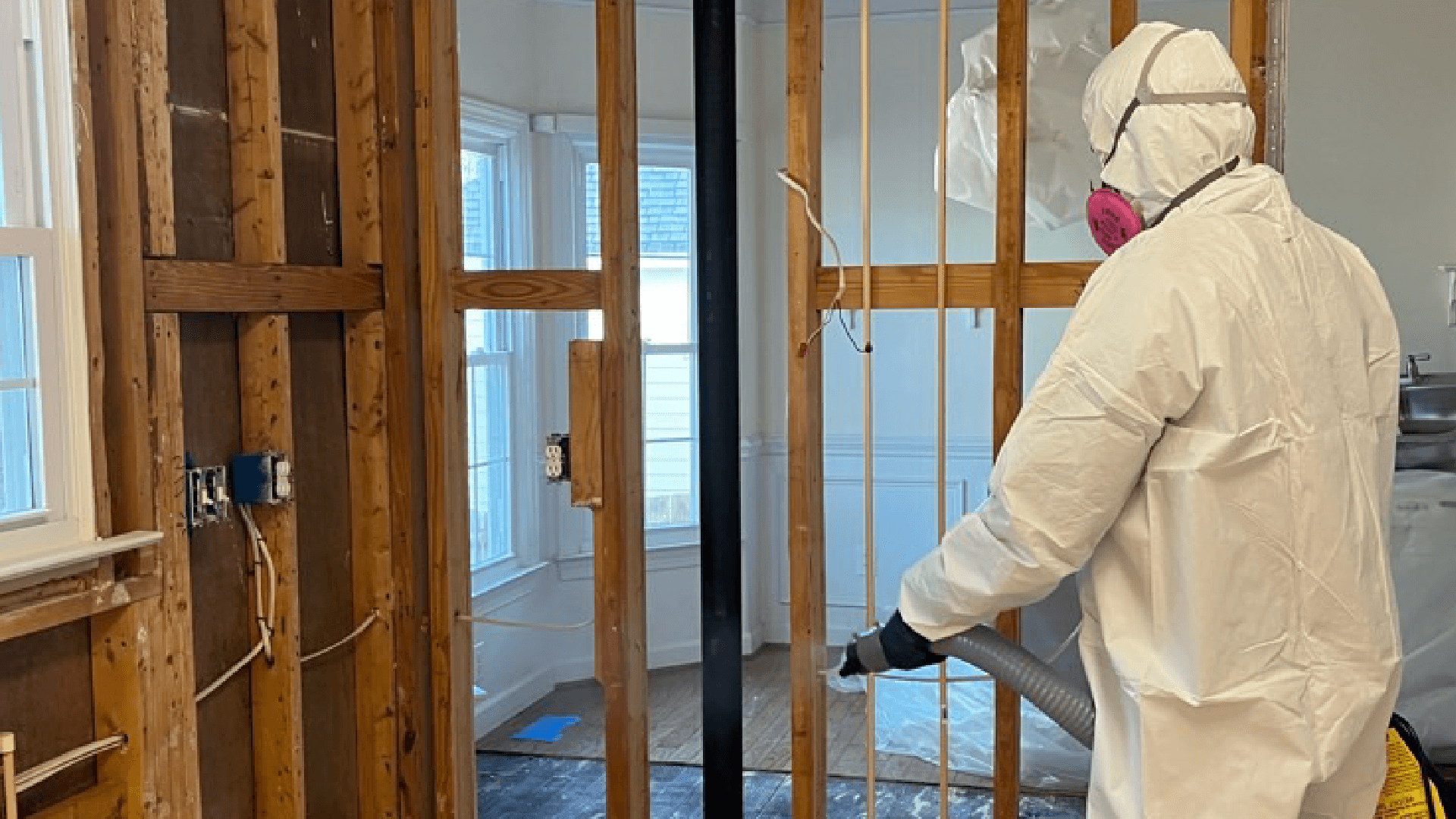
During mold remediation, it's generally advised to vacate the premises, particularly from areas where remediation work is ongoing and mold remediation specialists have set up containment. The process of removing mold can cause spores to become airborne, which poses health risks, especially for individuals with respiratory conditions like asthma, allergies, or those with weakened immune systems. Rytech’s Florida mold specialists where EPA approved Glove and Suites to stay protected.
How Long Should You Stay Out of the House After Mold Remediation?
The duration of time you should remain out of the house following mold remediation depends on the scope of the work performed and the techniques used. Typically, it’s recommended to wait 24 to 48 hours after the remediation process is completed. This allows time for any airborne mold spores to settle and ensures that the air quality in your home returns to safe levels before you re-enter.
Professional vs. DIY Mold Remediation
While it might be tempting to tackle mold removal on your own to save time and money, DIY remediation often falls short of professional standards. Without the proper training, equipment, and mold detection techniques, it's difficult to ensure that harmful mold spores are effectively removed and that the root cause of your mold problem is addressed. Professional mold remediation services, like those offered by Rytech Restoration, provide a comprehensive solution that includes thorough inspection, safe removal, and preventive measures, ultimately leading to a more effective outcome and lasting peace of mind.
Will Mold Come Back After Remediation?
Mold can reappear if the underlying conditions that caused its growth are not resolved. Effective remediation involves not just the removal of visible mold but also addressing the source of moisture that allowed mold to thrive in the first place. This may include fixing leaks, improving ventilation, or installing dehumidifiers to maintain low humidity levels in the affected area. Ensuring these issues are properly addressed during remediation significantly reduces the likelihood of harmful mold returning.
Preventing Future Mold Growth
Once remediation is complete, it's crucial to take steps to prevent mold from returning. Key measures include:
- Maintaining Low Humidity: Keep indoor humidity levels below 50% to discourage mold growth.
- Proper Ventilation: Ensure areas prone to moisture, such as bathrooms and kitchens, have adequate ventilation to prevent condensation buildup.
- Regular Mold Inspections: Routinely check for signs of water leaks or dampness, which could lead to mold growth if left unaddressed.
Understanding these steps and the timeline for mold remediation can help you set realistic expectations and ensure that the process is both efficient and effective. Engaging a professional mold remediation service not only ensures that mold is removed properly but also provides peace of mind that your home or business is safeguarded against future issues.
Local Insights and Challenges
Specific Challenges in North Central Florida:
North Central Florida’s weather patterns, including frequent thunderstorms and high humidity, create an ongoing challenge for mold prevention. Areas prone to flooding, such as Palm Coast, Melbourne, and Daytona Beach, are particularly vulnerable to mold issues. Quick and effective remediation is critical in these environments to prevent long-term damage.
Local Mold Expertise:
Jon Lavender, the owner of Rytech Restoration of North Central FL, emphasizes the importance of educating local residents in mold remediation. “Understanding the specific environmental factors in our area allows us to tailor our remediation strategies to be most effective,” Jon explains. His team’s experience with local weather patterns and building structures gives them an edge in solvering mold problems and preventing recurrence.
The Importance of Choosing the Right Professional
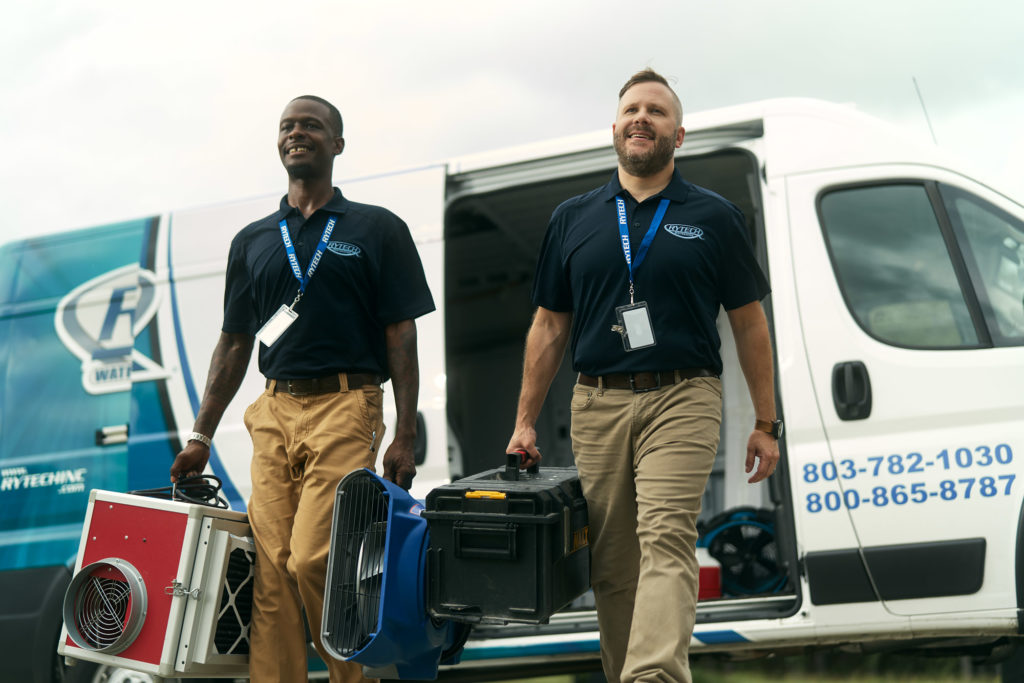
Understanding the timeline for mold remediation is key to managing expectations and ensuring the process is handled correctly. Professional, local expertise is vital to effectively tackle mold issues in North Central Florida.
Rytech Restoration’s Expertise:
Rytech Restoration of North Central FL adheres to the highest industry standards, including those set by the IICRC. Our team is equipped with the knowledge and tools to handle mold issues unique to North Central Florida, ensuring a safe and thorough remediation process.
Comprehensive Service Offerings:
We provide complete mold remediation services, from initial mold inspections to full remediation. Our approach is comprehensive, addressing not only the visible mold but also the underlying issues that caused it.


